
Emergency Readiness: Bridging Modern Technology and Community Preparedness
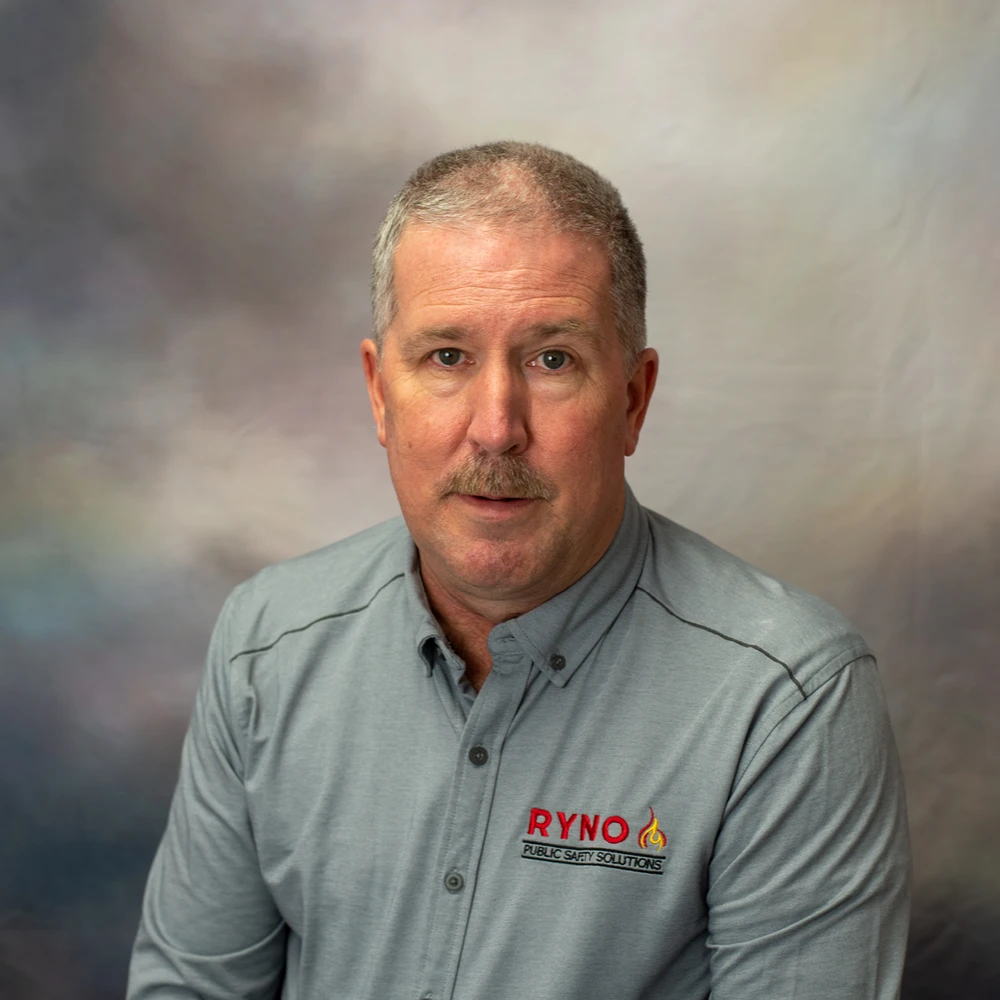

With 40 years of experience in public safety as a chief, firefighter, and consultant, I have seen firsthand that relying on fragmented systems and legacy protocols is no longer sufficient in evolving emergency scenarios. True emergency readiness requires integrating modern software, real-time communication platforms, and structured operational planning to protect workplaces, educational campuses, and local municipalities.
By actively prioritizing AED program management, I help organizations improve emergency readiness while reducing compliance and liability risks.
Understanding the Legal Landscape
Drawing from my work in emergency services and grant writing, I know that effective preparedness requires aligning technology with clear administrative oversight. Organizations must focus on interconnected frameworks that facilitate rapid, informed decision-making under stress.
Are you registered with your local EMS? Do you need AED medical direction? Many states have specific legislative mandates regarding AED program oversight. Without a physician medical director, you could find yourself in a precarious legal position if an emergency occurs and your equipment or protocols aren’t in compliance.
Maintenance: The Fail Point
An AED is not a fire extinguisher. You cannot simply hang it up and ignore it for a decade. A neglected device is a false sense of security.
Your AED maintenance checklist must include:
Pad Expiration Tracking: Electrode pads have a shelf life. Using expired pads can result in equipment failure when seconds count.
Battery Testing: Is your battery current? If the AED is chirping, is someone there to hear it?
Post-Incident Data Retrieval: If you use the device, do you have a plan for downloading the data for the patient's physician?
The Human Factor: Training
Real-Time Incident Coordination: Utilizing cloud-based platforms to share vital updates across administrative and response teams.
Compliance and Risk Assessments: Conducting routine audits to identify operational vulnerabilities and fulfill legal standards.
Continuous Training & Exercises: Empowering internal teams through hands-on drills and refreshed emergency protocols.
Building Operational Resilience
Deploying emergency technology demands continuous oversight, hardware maintenance, and proper alignment with municipal standards to support ongoing operational readiness.
Don’t Leave Your Safety to Chance
Partner with Experts for Comprehensive Guidance
Navigating complex emergency protocols, grant applications, and equipment requirements can be overwhelming. Drawing on my decades of dedicated public safety leadership, I help organizations maintain compliant, up-to-date systems and improve their preparedness for emergencies.
Through RYNO Public Safety Solutions, I provide turnkey consulting, equipment management, and strategic planning tailored to businesses, municipal entities, and educational institutions.
Contact Scott Ryno today to strengthen your organization's emergency preparedness and safety infrastructure.


Comments